

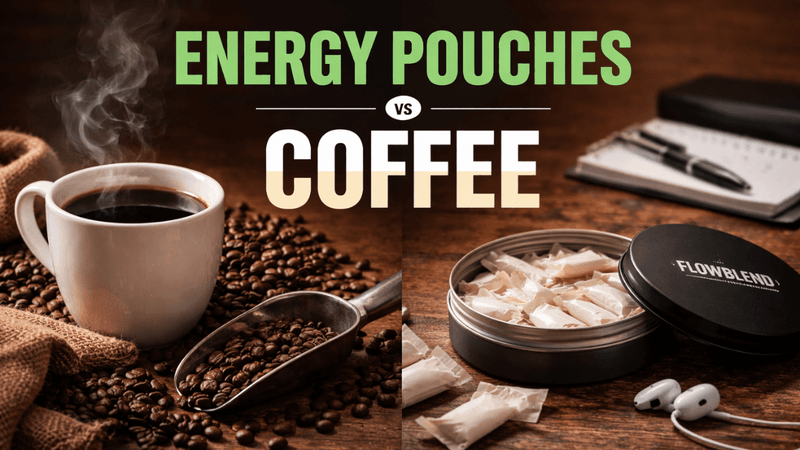
Since the beginning of time, coffee has been the mainstay of modern life. Coffee fuels lengthy days, meetings deadlines, and early mornings. A lot of people are now unsure if their daily cup of coffee is actually helping them focus or just provides short-term arousal. This shift has prompted a growing interest in the controversy between energy pouches and regular coffee. This debate isn’t about “good or bad” but more about consistency, control and cognitive performance.
Coffee: A Fast Energy with a Familiar Limitation
The coffee can do a lot very well. It’s a quick, calming experience and gives a distinct sense of stimulation. For tasks that are short or for early morning starts, coffee can be productive. The caffeine boost provides awareness and the habit can signal your brain to start working.
Repeated use will reveal the downside. Over time, tolerance builds quietly. It’s no longer necessary to use the same coffee cup that used to be so potent. With this tolerance comes often anxiety and jitters, particularly on days of high pressure. Timing also matters. A high dose of caffeine can disrupt sleep and cause fatigue.
Not because coffee is “bad,” rather, because they are different and have different needs.
The rise of Energy Pouches
The energy pouches were not intended to replace coffee. They were designed to solve a completely different issue: keeping alertness and clarity without overwhelming the nervous system. When you compare energy pouches, the key difference lies in delivery.
Energy packs typically have lower amounts of caffeine, which are released slowly. Instead of a rapid spike that is followed by a drop, they seek to give more of a gradual flow of energy. This method is better suited to prolonged work hours and mental tasks and travel days.
Energy pouches are a fantastic option for those who are sensitive to caffeine, or just tired of the ups-and-downs. The objective isn’t to become wired, but rather to stay steady.
Focus vs Stimulation
A common misconception about caffeine is that it boosts productivity. However, stimulation and focus aren’t the same. Coffee is excellent at stimulating. But, it is important to maintain focus.
Many users have found that energy pouches help to extend focus windows due to the mental noise that usually occurs with higher doses of caffeine. Concentration is not as affected by nervousness. There is less chance of crash, which means you don’t have to “chase” energy throughout the day.
In the contemporary workplace the distinction between work and home is more significant. Smoother energy delivery is an advantage as tasks need more concentration and problem solving.
Selecting Intentionally
It is important to know: coffee still has a place. If you’re looking for quick activation, social events or other times where you require a quick boost, coffee is the perfect tool. Energy pouches aren’t magic, and they’re unlikely to give you a break from long working hours.
It’s only through making an intentional choice that you can reap the greatest benefit. People are now able to match their motivation to their specific demands instead of being reliant on habits. Rapid energy and steady clarity. In short bursts of energy, versus an ongoing focus. Comfort versus control.
If you look at it this way, your choice between energy pouches and coffee isn’t a competition, but rather a way to make decisions. Knowing the impact each option has on your body and mind will allow you to utilize caffeine more strategically and not in a reactive manner.
The Smarter Way to Go
The debate around caffeine has changed as workdays grow longer and demands on the mind increase. Most people are beginning to realize that productivity doesn’t mean pushing harder. It’s about maintaining the balance. You can choose to use energy pouches or coffee.
For those prioritizing consistency, smoother focus, and fewer crashes, modern coffee alternatives for focus offer a compelling option. Energy is most effective when it aids you in reaching your goals, not limiting them.